electronic road signs are transforming the way we navigate our roads, providing real-time information that enhances safety and improves traffic flow. The shift from traditional static signage to dynamic electronic displays marks a significant evolution in transportation technology, allowing for timely updates and crucial alerts that keep drivers informed. These advanced systems play a pivotal role in managing traffic, reducing congestion, and ultimately saving lives on the road.
From variable message signs that adapt to changing conditions to innovative LED and LCD technologies, electronic road signs come in various forms, each designed to streamline communication between road authorities and drivers. As we delve deeper into the benefits, challenges, and future trends of these signs, it becomes clear that they are integral to modern traffic management.
Introduction to Electronic Road Signs
Electronic road signs play a crucial role in contemporary transportation systems, serving to convey real-time information to drivers and enhance road safety. These signs have evolved from traditional static signage to sophisticated electronic displays, reflecting advances in technology and the growing need for efficient traffic management. With their ability to provide dynamic messages, electronic road signs significantly improve the flow of traffic and help mitigate accidents by informing drivers about road conditions, hazards, and regulations.
The transition from traditional road signage to electronic versions has been marked by the integration of innovative technologies, such as LED and LCD displays, which allow for clearer and more accessible communication. The implementation of these signs not only contributes to improved road safety but also aids in better traffic management by adapting to real-time situations on the roads.
Types of Electronic Road Signs
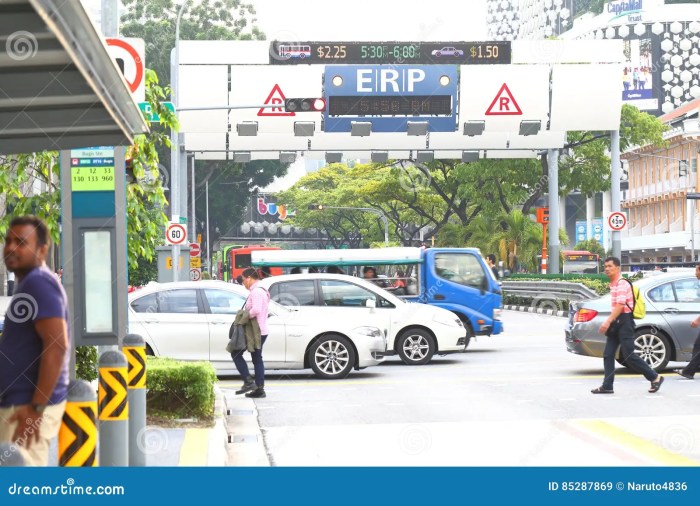
Electronic road signs can be categorized into several types, each designed for specific functions and situations. Understanding these types is essential for appreciating their impact on transportation systems.
- Variable Message Signs (VMS): These signs display messages that can be changed based on current traffic conditions. They are commonly used to provide information about accidents, road closures, or traffic speeds.
- Dynamic Message Signs (DMS): Similar to VMS, DMS are used to relay real-time information but often focus on more complex messages, such as detours or travel times. They utilize advanced technology to update messaging quickly and accurately.
- Lane Control Signs: These signs indicate whether a lane is open or closed to traffic, primarily used on highways and during peak travel times.
- Travel Time Signs: Displaying the estimated travel time to various destinations, these signs help drivers make informed decisions about their routes.
The technology behind these signs typically includes LED and LCD technologies, which enhance visibility and energy efficiency. LED displays are known for their brightness and durability, making them ideal for outdoor settings, while LCD screens provide high-resolution graphics for more detailed information.
Benefits of Electronic Road Signs
Implementing electronic road signs offers numerous advantages over traditional signage. These benefits contribute to improved traffic flow, enhanced safety, and greater adaptability to changing conditions.
- Enhanced Communication: Electronic signs can relay timely and relevant information, ensuring drivers are well-informed about current conditions.
- Reduced Congestion: By providing real-time updates, these signs help manage traffic more effectively, leading to reduced congestion and shorter travel times.
- Improved Safety: Studies have shown that regions with electronic road signs experience lower accident rates due to better-informed drivers.
Case studies have indicated that regions with electronic signage have seen reductions in traffic incidents by as much as 30%, highlighting their effectiveness in promoting road safety.
Challenges and Limitations
Despite their advantages, the implementation of electronic road signs is not without challenges. Costs and maintenance are significant factors, as these systems require regular upkeep and can be expensive to install.
- High Initial Costs: The upfront investment for electronic road signs can be substantial, posing challenges for municipalities with limited budgets.
- Maintenance Issues: Regular maintenance is essential to ensure the signs function correctly, which can strain resources.
- Visibility Concerns: Weather conditions such as rain, fog, or snow can affect the visibility and readability of electronic signs.
- Driver Distraction: There are ongoing concerns regarding information overload and potential distractions caused by rapidly changing messages.
Addressing these challenges requires careful planning and resource allocation to maximize the benefits of electronic signage.
Future Trends in Electronic Road Sign Technology
The future of electronic road sign technology is promising, with emerging advancements poised to further enhance their effectiveness.
- AI Integration: Artificial intelligence could enable signs to analyze traffic patterns and adjust messaging in real-time, providing even more relevant information to drivers.
- IoT Connectivity: The integration of the Internet of Things (IoT) may allow electronic signs to communicate with vehicles, providing data on road conditions directly to drivers’ dashboards.
- Smart City Initiatives: As cities evolve into smart environments, electronic road signs will likely play a critical role in integrated traffic management systems.
Forecasts suggest that within the next decade, we may witness a significant evolution in the functionality and integration of electronic road signs, driven by these technological advancements.
Case Studies and Real-World Applications, Electronic road signs
Several cities and countries have successfully implemented electronic road signs, leading to notable improvements in traffic management and road safety.
- Los Angeles, USA: The city has integrated electronic signs throughout its freeway system, resulting in improved traffic flow and reduced travel times.
- Singapore: Known for its advanced traffic management systems, Singapore uses electronic signs to effectively manage congestion and inform drivers about real-time conditions.
- London, UK: The implementation of dynamic message signs in London has led to a measurable decrease in traffic incidents and enhanced awareness among drivers.
Methodologies for evaluating the effectiveness of these systems include traffic incident reports and driver surveys, providing insight into public acceptance and the operational success of electronic road signs.
Maintenance and Operational Best Practices
To ensure optimal performance, electronic road signs require regular maintenance and adherence to best practices.
- Routine Inspections: Conducting regular inspections is crucial to identify potential issues early and ensure signs remain operational.
- Content Management: Timely updates to the information displayed on electronic signs help maintain relevance and effectiveness.
- Response Protocols: Establishing clear protocols for addressing technical failures or malfunctions can minimize downtime and enhance reliability.
A comprehensive maintenance checklist should include visual inspections, software updates, and functionality testing to ensure that each sign operates effectively.
Community Involvement and Awareness
Engaging communities in discussions about electronic road signs is essential for successful implementation and acceptance.
- Outreach Programs: Organizing educational outreach programs can inform the public about the benefits and functionalities of electronic road signs.
- Public Campaigns: Successful public campaigns can increase awareness of road safety issues related to electronic signs, fostering community support.
- Feedback Mechanisms: Establishing channels for public feedback can enhance community involvement and inform future signage strategies.
These strategies can promote greater understanding and acceptance of electronic road signs, ultimately contributing to enhanced road safety and traffic efficiency.