Safety sneaker shoes are essential for anyone working in hazardous environments, providing a unique blend of comfort and protection that traditional footwear often lacks. In today’s diverse workplaces, these shoes not only shield employees from potential injuries but also comply with industry safety standards, ensuring that workers can perform their tasks with confidence. The significance of safety sneaker shoes extends to various industries, highlighting their role in protecting against slips, falls, and impacts, which are common risks in many job settings.
These shoes are equipped with features such as slip-resistant soles, safety toe caps, and durable materials to enhance their effectiveness. With a focus on safety without sacrificing style, they appeal to a wide range of professionals, from construction workers to healthcare providers, making them a versatile choice in safety footwear. Understanding the importance and functionality of safety sneaker shoes is crucial for anyone looking to prioritize safety in their work environment.
Importance of Safety Sneaker Shoes
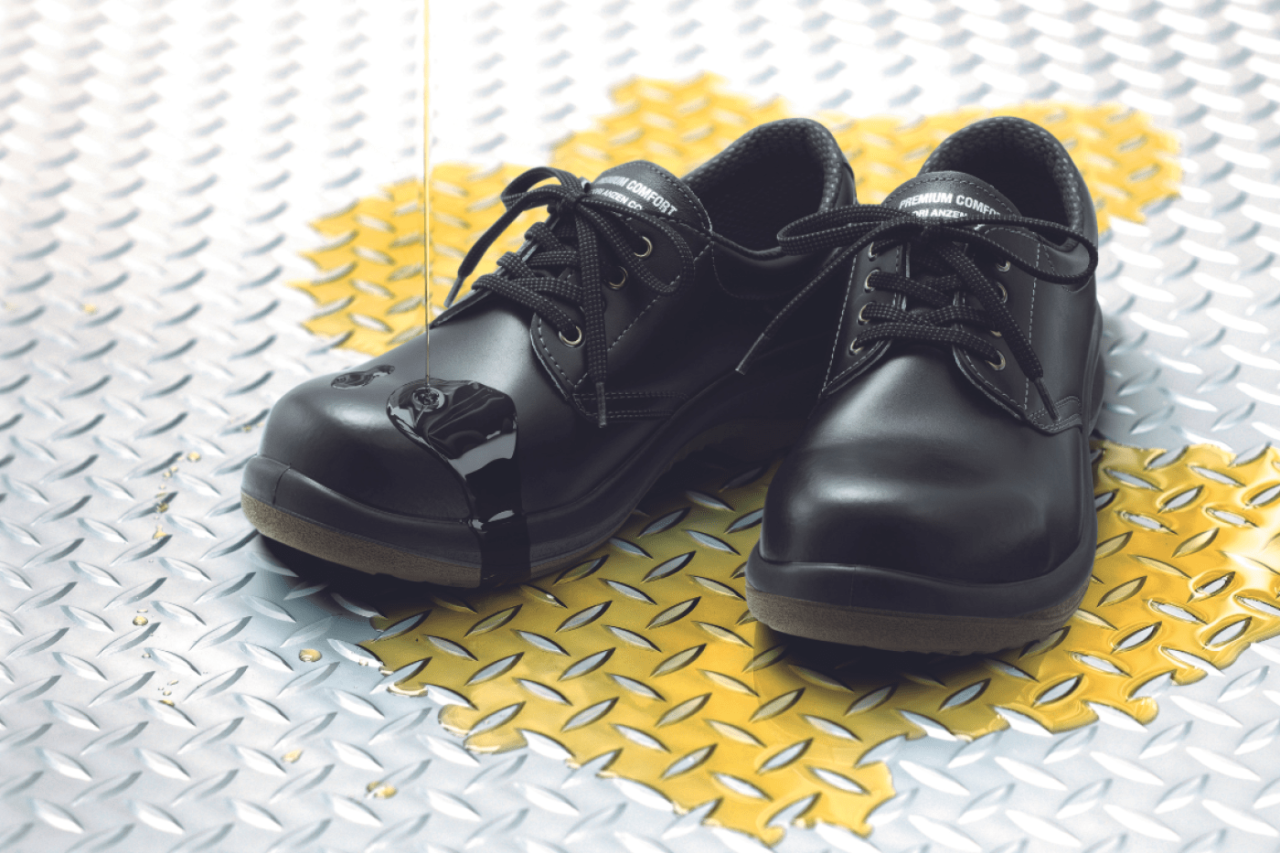
Safety sneaker shoes play a crucial role in protecting employees across various work environments. These specialized shoes are designed to provide protection against a variety of hazards that can lead to workplace injuries. By wearing safety sneaker shoes, workers can minimize their risk of accidents and injuries, which can ultimately lead to a safer and more productive work environment.
In many industries, workers face potential hazards such as falling objects, sharp tools, slippery surfaces, and electrical hazards. Safety sneaker shoes are engineered to protect against these risks, featuring reinforced toe caps, slip-resistant soles, and shock-absorbing materials. Additionally, there are strict standards and regulations that govern the manufacturing and performance of safety footwear, ensuring that they meet safety requirements set forth by organizations such as ASTM International and OSHA.
Key Features of Safety Sneaker Shoes
When selecting safety sneaker shoes, understanding their key features is essential. The effectiveness of these shoes largely depends on their construction and materials. Some of the primary features that make safety sneaker shoes effective include:
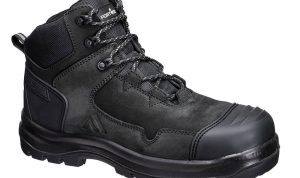
- Safety Toe Caps: Available in steel, aluminum, and composite materials, toe caps protect against heavy impact and compression.
- Slip-Resistant Soles: Designed with specific tread patterns, these soles help prevent slips and falls on various surfaces.
- Shock Absorption: Advanced cushioning technologies provide comfort and reduce fatigue during long hours of wear.
- Water Resistance: Many safety sneakers are designed to repel water, keeping feet dry in wet conditions.
The choice of safety toe caps can vary significantly. Steel toe caps offer maximum protection but can be heavier, while aluminum toe caps provide a lighter alternative without sacrificing safety. Composite toe caps are non-metallic and are ideal for workers needing to pass through metal detectors.
Choosing the Right Safety Sneaker Shoes
Selecting the appropriate safety sneaker shoes for specific jobs involves considering several factors to ensure optimal protection and comfort. It’s vital to understand the unique requirements of each work environment, as well as personal fit preferences.
A proper fit is crucial, as poorly fitted shoes can lead to discomfort and increased risk of injury. Here’s a checklist of factors to consider when purchasing safety sneaker shoes:
- Assess the specific hazards present in the workplace.
- Ensure the shoes comply with relevant safety standards.
- Choose the right type of toe protection based on job demands.
- Evaluate slip resistance according to the work environment.
- Consider the shoe’s weight and cushioning for comfort during prolonged use.
Maintenance and Care for Safety Sneaker Shoes
Proper maintenance and care of safety sneaker shoes can greatly extend their lifespan. Regular cleaning and inspection help maintain both appearance and functionality.
Best practices for cleaning safety sneaker shoes include:
- Remove dirt and debris with a soft brush.
- Use mild soap and water for deeper cleaning, avoiding harsh chemicals.
- Allow shoes to dry naturally, away from direct sunlight or heat sources.
To inspect safety footwear for damage, follow these steps:
- Check the outer sole for excessive wear or detachment.
- Inspect the toe cap for dents or cracks.
- Examine the upper material for tears or punctures.
- Ensure laces and eyelets are intact and functional.
Popular Brands and Models of Safety Sneaker Shoes
Several brands are recognized for their reliable safety sneaker shoes, each offering unique features tailored to different industries. Notable brands include:
- Red Wing Shoes: Known for durability and comfort, ideal for construction and industrial use.
- Timberland PRO: Offers a range of stylish and functional safety footwear.
- Sketchers Work: Focuses on comfort with innovative technologies in safety sneaker design.
Comparing popular models helps consumers choose the right pair. For example, the Timberland PRO 6″ can offer superior arch support, while the Skechers Work Sure Track is designed for slip resistance.
Trends in Safety Sneaker Shoes
Emerging trends in the design and technology of safety sneaker shoes reflect the evolving needs of modern workers. Innovations include:
- Lightweight Materials: Advances in materials science have led to lighter, yet durable safety footwear.
- Sustainable Footwear: Many brands are now focusing on eco-friendly materials, reducing environmental impact.
- Fashion-Forward Designs: As safety footwear becomes more stylish, workers can maintain safety without sacrificing personal style.
Safety Sneaker Shoes for Different Industries
Different industries have specific requirements for safety sneaker shoes based on the risks involved.
For example, construction workers benefit from shoes with reinforced toe protection and slip-resistant soles due to the presence of heavy machinery and uneven surfaces. Healthcare professionals, on the other hand, require lightweight, easy-to-clean shoes with excellent traction to navigate various environments safely. In manufacturing, safety sneaker shoes must provide both durability and comfort, as workers often stand for long periods.
FAQs and Misconceptions about Safety Sneaker Shoes
There are several common misconceptions about safety sneaker shoes that can lead to confusion. One of the most prevalent myths is that safety sneakers are heavy and uncomfortable. In reality, modern safety sneaker designs prioritize comfort while maintaining safety standards.
Additionally, many people are unaware of the specific regulations governing safety shoe compliance, which ensure that footwear meets rigorous industry standards. Understanding these regulations can clarify how safety sneaker shoes differ from traditional work shoes, which may not offer the same level of protection.